Are Gluten-Free Snacks Really Healthy? Here’s What You Need to Know
Last updated: [June 2025]
By: Heal & Glow with Gluten Free Foods
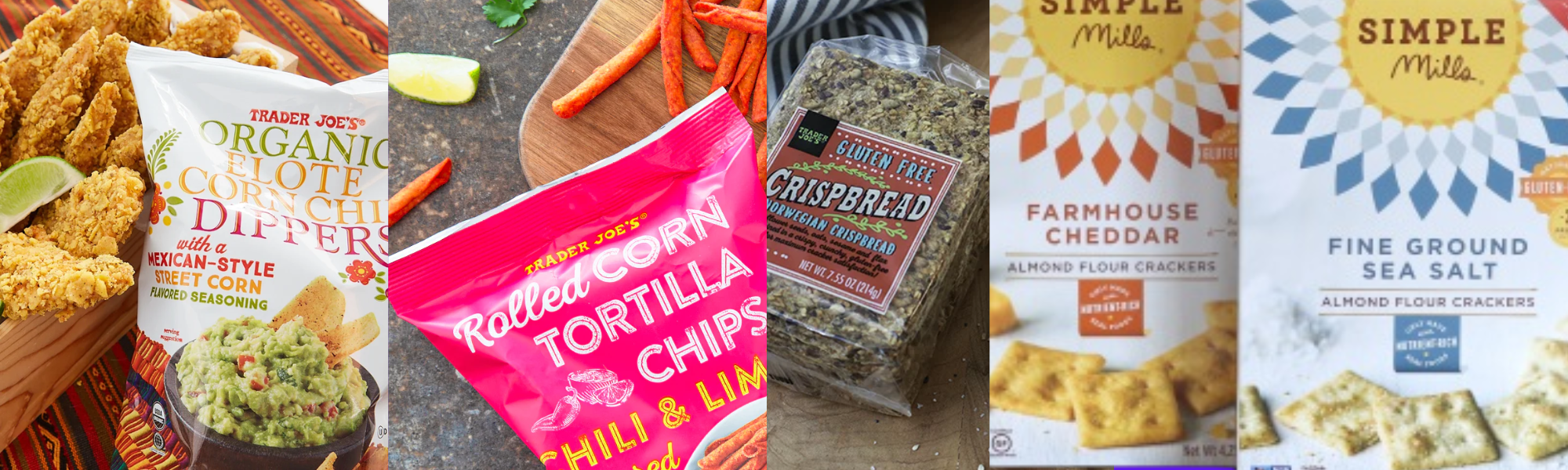
🌾 The Truth About Gluten-Free Snacks: A Wellness Wake-Up Call
Let’s be honest: the moment you switch to a gluten-free lifestyle, the first thing you crave is simplicity. You want safe snacks that won’t irritate your gut, trigger inflammation, or mess with your mood. So naturally, you head straight for anything with a big bold label saying:
✨ GLUTEN-FREE ✨
I did the same. My pantry was suddenly filled with gluten-free crackers, chips, cookies, muffins, pretzels, bars, and snacks I never even ate before I went gluten-free.
But soon I learned something that completely changed how I approached gluten-free eating:
👉 Gluten-free does NOT automatically mean healthy.
This is one of the most misunderstood parts of the gluten-free world—and also the most Googled question from people starting their journey:
-
“Are gluten-free snacks healthier?”
-
“Can gluten-free food help with weight loss?”
-
“Is gluten-free junk food still junk food?”
-
“Are gluten-free crackers good for dieting?”
Let’s break it all down in a clean, simple, and empowering way so you can make better choices without feeling overwhelmed.
🌟 Why People Think Gluten-Free = Healthy
There’s a reason gluten-free snacks are marketed as “clean,” “better,” or “lighter.”
Most people associate gluten-free eating with:
-
less bloating
-
fewer digestive issues
-
better energy
-
clearer skin
-
weight loss
So the brain automatically categorizes gluten-free snacks as “healthy,” even when the ingredient label says otherwise.
The problem?
A snack without gluten can STILL be high in:
-
sugar
-
sodium
-
unhealthy oils
-
refined starches
-
preservatives
-
artificial colors
-
empty calories
In fact, many gluten-free snacks are ultra-processed—just like regular snacks.
🧪 What Gluten-Free Snacks Are Really Made Of
One of the most searched questions online is:
“Why are gluten-free snacks so high in carbs?”
Here’s the answer:
To replace wheat flour, manufacturers often rely on refined starches like:
-
tapioca starch
-
potato starch
-
corn starch
-
white rice flour
These ingredients are gluten-free, yes.
But they are:
❌ low in fiber
❌ low in protein
❌ high on the glycemic index
❌ quick to spike blood sugar
❌ lacking in nutrients
This is why some people say they gain weight or feel more hungry after switching to gluten-free snacks.
It’s not the gluten-free lifestyle causing it…
It’s the type of gluten-free snacks they’re eating.
🌿 So… Are Gluten-Free Snacks Actually Healthy?
Short answer: Some are. Some definitely are not.
Let’s break it down into three categories:
✔ 1. Healthy Gluten-Free Snacks (Whole Food–Based)
These snacks are made from ingredients your grandmother would recognize:
-
nuts
-
seeds
-
fruits
-
lentils
-
chickpeas
-
vegetables
-
gluten-free whole grains like oats or quinoa
These snacks nourish you, steady your blood sugar, reduce cravings, and support gut health.
Examples:
• roasted chickpeas
• edamame
• dates stuffed with almond butter
• apple slices with nut butter
• popcorn with olive oil
• homemade oat bars
These are the snacks that keep your gluten-free lifestyle light, sustainable, and nutrient-rich.
⚖️ 2. Moderately Healthy Gluten-Free Snacks
These fall somewhere between healthy and indulgent. The ingredients are okay, but portions and additives matter.
Examples:
-
gluten-free crackers made with almond flour
-
granola bars with oats + honey
-
gluten-free tortilla chips
-
rice cakes with peanut butter
-
gluten-free pretzels
These are fine in moderation—just read labels carefully.
❌ 3. Unhealthy Gluten-Free Snacks (But Cleverly Marketed)
These are the snacks that people think are healthy… but are not.
Examples:
-
gluten-free cookies
-
gluten-free brownies
-
gluten-free donuts
-
gluten-free pizza rolls
-
gluten-free chips fried in seed oils
-
ultra-processed GF bars with fillers
They are gluten-free, but nutritionally?
Not better than standard junk food.
🔍 How to Tell if Your Gluten-Free Snack Is Actually Healthy
Here are the four biggest green flags to look for on any package.
✔ 1. Short Ingredient List
A healthy gluten-free snack should NOT have:
-
20 ingredients
-
artificial flavors
-
stabilizers
-
preservatives
Look for simple, whole ingredients.
✔ 2. High in Fiber or Protein
This helps:
-
stabilize blood sugar
-
reduce cravings
-
improve digestion
Biggest mistake?
Eating gluten-free snacks made only from starches.
✔ 3. No Added Sugar (or minimal sugar)
Many gluten-free snacks sneak in powders like:
-
cane sugar
-
brown rice syrup
-
agave
-
fructose
This turns a “healthy-looking GF snack” into a sugar bomb.
✔ 4. Whole Food–Based
Choose snacks made from real foods:
-
chickpeas
-
nuts
-
oats
-
quinoa
-
dates
-
coconut
These nourish your body instead of draining it.
🛍 My Go-To Healthy Gluten-Free Snacks (Nutritionist-Approved)
These are snacks I personally use during busy workdays, travel, and before workouts.
🍎 1. Apple Slices with Almond Butter
Healthy fats + fiber = steady energy and zero crash.
🌱 2. Roasted Edamame
High-protein, crunchy, and great for salty cravings.
🥜 3. Homemade Granola Bars (with certified GF oats)
I make mine with:
-
oats
-
dates
-
peanut butter
-
chia seeds
-
a touch of maple
No preservatives, no fillers.
🍿 4. Trader Joe’s Organic Popcorn (with olive oil)
Light, gut-friendly, and not overloaded with butter or chemicals.
🫘 5. Roasted Chickpeas
Crispy, high-fiber, and full of minerals.
🍇 6. Dried Fruit + Nut Mix (No added sugar)
A perfect travel snack.
🍫 7. Dark Chocolate (70% or above)
Gluten-free AND antioxidant-rich.
🍽 Healthy Gluten-Free Snack Swaps
Instead of: Gluten-free cookies
Try: Chocolate-covered almonds
Instead of: GF chips fried in seed oils
Try: Popcorn or baked lentil chips
Instead of: GF crackers made from starch
Try: Almond flour or seed crackers
Instead of: Processed GF granola bars
Try: Date + nut energy bites
🧠 Why “Gluten-Free” Doesn’t Automatically Mean Better for Weight Loss
One of the most asked questions online:
“Are gluten-free snacks good for weight loss?”
Here’s the truth:
Gluten-free snacks help with weight loss only when they’re whole-food-based, high-fiber, and not ultra-processed.
BUT…
If your gluten-free diet is loaded with:
-
GF cookies
-
GF muffins
-
GF crackers
-
GF donuts
-
GF chips
…your calorie intake may skyrocket.
So no—gluten-free alone is not a weight-loss tool.
But the right gluten-free snacks absolutely support weight management.
🌟 Benefits of Choosing the Right Gluten-Free Snacks
When you choose wisely, gluten-free snacks can actually:
✔ Reduce bloating
✔ Improve digestion
✔ Increase energy
✔ Support weight balance
✔ Stabilize blood sugar
✔ Reduce inflammation
✔ Keep cravings in check
This is WHY reading labels matters.
❌ Common Mistakes People Make With Gluten-Free Snacks
And how to avoid them!
❌ 1. Replacing every snack with a gluten-free version
You don’t need GF versions of everything—chips, crackers, muffins, brownies.
❌ 2. Forgetting to check sugar content
Some GF snacks have MORE sugar than regular snacks.
❌ 3. Assuming low calorie = healthy
Ultra-processed GF snacks can STILL be low calorie and unhealthy.
❌ 4. Overeating because it’s labeled “gluten-free”
This is psychological—your brain thinks it's safer, so portions increase.
❌ 5. Ignoring fiber
Most gluten-free processed foods are dangerously low in fiber—leading to constipation, cravings, and mood swings.
💡 Quick Guide: What to Look For (and Avoid) in Gluten-Free Snacks
✔ Choose:
-
whole grains
-
oats (certified GF)
-
beans & legumes
-
nuts & seeds
-
coconut
-
quinoa
-
dried fruits
-
natural sweeteners
❌ Avoid:
-
corn starch as first ingredient
-
potato starch + sugar combo
-
maltodextrin
-
artificial colors
-
high fructose corn syrup
-
“natural flavors” with no clarity
-
palm oil or seed oils
🔥 Top FAQs About Gluten-Free Snacks
❓ Are gluten-free snacks healthier than regular snacks?
Only if they’re whole-food-based.
Gluten-free processed snacks are NOT automatically healthier.
❓ Can gluten-free snacks cause weight gain?
Yes—especially those made with refined starches or high sugar.
❓ Are gluten-free chips healthy?
Some are. But many are still fried in inflammatory oils.
❓ Is popcorn gluten-free?
Yes! Corn is naturally gluten-free. Just check seasonings.
❓ Are gluten-free crackers better for digestion?
Only if they use whole grains or seeds. Starch-based ones may spike blood sugar.
❓ Is gluten-free good for inflammation?
For people with gluten sensitivity or celiac—YES.
But overall inflammation still depends on ingredients.
💬 Final Thoughts: Gluten-Free Snacking Can Be Healthy—If You Choose Wisely
Going gluten-free transformed my life, but the biggest lesson I learned is this:
👉 Gluten-free eating is only healthy when it’s intentional.
A snack without gluten can either nourish you…
or drain you.
Today, my pantry looks totally different from my early gluten-free days. It's stocked with:
-
nuts
-
seeds
-
chickpeas
-
GF oats
-
popcorn
-
fruit
-
dark chocolate
-
homemade bars
These snacks fuel me, support my gut, stabilize my energy, and make gluten-free living easy, joyful, and sustainable.
Healthy gluten-free snacks DO exist—you just need to choose the right ones.
Comments
Post a Comment